

What to see and visit in Zabljak
Meet Žabljak from the right perspective
Table of Contents
Žabljak is a small town located in the beautiful natural surroundings of Durmitor. In addition to the unusual diversity and pristine beauty of nature, it is also made special by the fact that with its altitude of 1456m it bears the title of the highest inhabited place in the Balkans. Although it is rich in serious natural resources for the development of winter tourism, lately it has been significantly more visited by tourists and more attractive during the summer period. This tranquil town lies on the edge of the Durmitor National Park, covering an area of 39,000ha, surrounded by 18 glacial lakes, 5 canyons, 748 natural springs, untouched forests with more than 400 years old trees, ice caves. Black Lake is only a few minute’s drives – about 2km from the center of Zabljak (3 km from our apartments).
1. BOBOTOV KUK (2523 m)
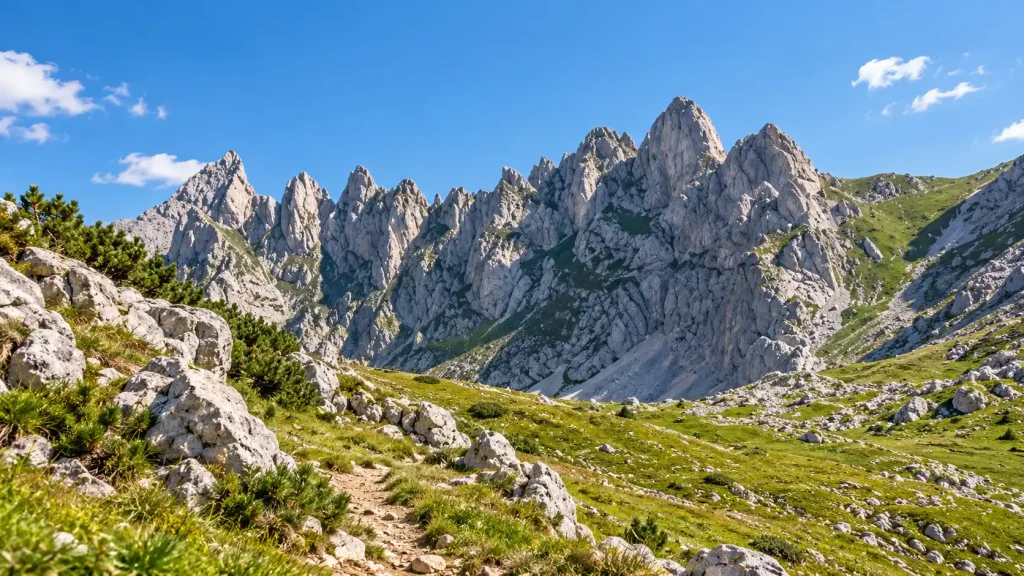
We intentionally started from the highest peak of the Durmitor mountain range. With the obligatory accompaniment of a guide, the beauty you get when you climb to the top is priceless. Bobotov Kuk (2523 m) together with the peaks Bezimeni Vrh (2487 m) and Đevojka (Soa, 2440 m) form the highest rocky ridge of Durmitor called Soa Nebeska, which means “Supporter of the sky”. Soa Nebeska with its rocky ridges on one side falls 800 meters deep into the valley of Škrka, that is. Škrčkih lakes, while on the other side it rises above the “stone sea” of the valley Valoviti Do (2027 m), the highest valley in the Durmitor massif. Bobotov Kuk is a peak of impressive appearance, whether it can be observed from Valoviti Dol, from Žabljak, from Trojni Prevoj, from the shoulders of Zubac, from Prutash, from Lučin Vrh, Medjed, Mina’s Bogaz, Bezimeni Vrh, Čvorovo Bogaz or Mount Vojnik. From wherever you look, the slender and impressive silhouette of Bobotov Kuka dominates the mountain massifs and parts of northern Montenegro. Bobotov Kuk used to be called Ćirova Pećina, after the hunter Ćiro Stijepović from Žabljak. There is still a lot to be said, but we will leave it to you.
2. BLACK LAKE

What makes Žabljak recognizable to domestic and foreign guests is certainly BLACK LAKE. Black Lake in the Durmitor National Park is one of the TOP tourist attractions in Montenegro. Black Lake is the most famous and at the same time the largest of the 18 ice lakes in the Durmitor National Park. With more than 3 km of trails around the lake, is the most popular place for a beautiful unique walk, enjoyment, and recreation.
The lake is located at the foot of the mountain peak Medjed and consists of two smaller lakes: Veliko and Malo. These 2 lakes are connected by a narrow sea, which dries up in the summer, creating 2 completely separate lakes.
Untouched nature, which is unique in every respect, leaves no one indifferent.
If you are a fan of local food, there is a national restaurant with local cuisine on the lake, which offers a fantastic view. The hiking trail around the lake is 3.5 km long and is a mandatory route for all guests who visit it.
The height of the lake mostly depends on the famous “shooting” of Celina. Celine is a spring located below the mountain Medjed, which covered the lake. At the time of melting snow, with a strong explosion of sound, Čeline “shoots” and the water falls into the lake in waterfalls. If the year was without snow, this phenomenon is absent and the level of the lake is significantly lower.
There is an adventure park on the lake itself, so it will be interesting for the youngest ones as well.
3. ZMINJE LAKE

Zminje Lake is located an hour’s walk from Black Lake, from where the trail leads along Mlinski potok. On the shore there are benches and a place for barbecue. There is a legend connected with Zminje Lake on Durmitor, which explains its unusual name. Namely, according to the legend, there used to be a lot of snakes in this area, and when one winter the area was hit by great cold and snow, the snakes came all the way to this place, trying to keep warm. However, they froze and disappeared in that place, and when the winter receded, a lake remained in which today the forest that surrounds it is painted as patterns on the skin of a snake.
In any case a place that is a must visit if you want true peace in the heart of nature.
4. VRAŽJE LAKE

The mountain lake, located at an altitude of 1411 m, is included in the Durmitor National Park. It was named after a legend, which is easy to conclude. Some of the most beautiful paintings from Žabljak were taken on Devil’s Lake.
It is located on the territory of the municipality of Zabljak in the south-eastern part of the Durmitor National Park near the village of Novakovici and not far from Fish Lake.
Devil’s Lake is rich in fish and very popular among Montenegrin fishermen. The pond is flowing and flows in the shape of a small stream on the south side.
Devil’s Lake is located at 1411 m above sea level in the middle of a small flat valley. The average depth is 4 m, the maximum of about 11 m.
The lake is very clean and rich in fish, especially trout. A large number of anglers come here in the season when fishing is allowed to try their luck.
In the summer season next to Black Lake, Devil’s Lake is a favorite place to swim.

5. JABLAN LAKE
Lake Jablan is located on Durmitor, about 8 km away from Zabljak. It is located at 1791 m above sea level and from the direction of Black Lake it can be reached in about two hours of easy walking. This walking tour from Black Lake to Jablan Lake is one of the most popular walking tours of NP Durmitor.
Bounded by mountains and coniferous forests, Jablan Lake is a “bright spot” in the pristine nature that surrounds it, providing visitors with “all the silence of this world”, with the chirping of birds and at the same time eye rest provided by greenery, if you decide to visit this area. summer months.
Jablan Lake is, by the way, named after the yellow flower that is so named, and which is abundant in the surrounding meadows, and it is also called “Little Lake”, although it is not so small.
The clear water of Lake Jablan is a true mirror of nature, a reflection of perfect harmony without human interference, everything is exactly as it was created… Looking at everything around him, one can only conclude how “powerless” he is against nature, and that at any moment her beauty is actually unsurpassed.
6. ĐURĐEVIĆ TARA BRIDGE AND RAFTING
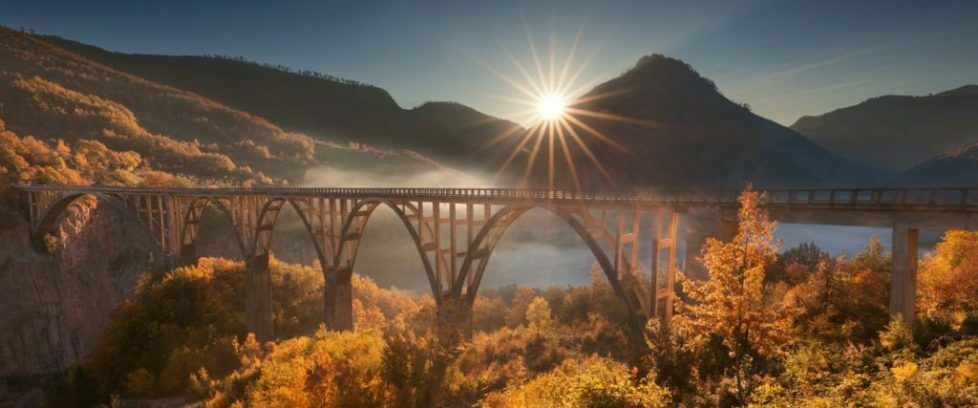
Built between 1937 and 1940, the bridge on Đurđevića Tara (or simply the Bridge on Tara) is one of the most visited attractions in Montenegro. Hundreds of buses with thousands of tourists come to visit this wonderful combination of nature and architecture/construction every year.
At the bridge, there are restaurants where you can relax and enjoy the unique view. Also, don’t forget to buy some of the many souvenirs (from magnets, cups, decorative plates, handmade carpets, T-shirts, etc.) in addition to photos.
172 meters above the Tara River, this bridge at the time it was completed was the largest concrete bridge in Europe. The Tara Bridge has always been a great inspiration to many artists, and its magnificent beauty has been admired even by world-renowned architects and engineers. This is supported by the fact that it is included in the list of 10 most beautiful bridges on the planet.
This year, tourists can enjoy the charms of Zip Line, so who lacks a little adrenaline, this will be the right thing for him.
Next to the bridge there is a restaurant with a beautiful terrace and excellent cuisine.
A few words about RAFTING ON THE TARA RIVER…
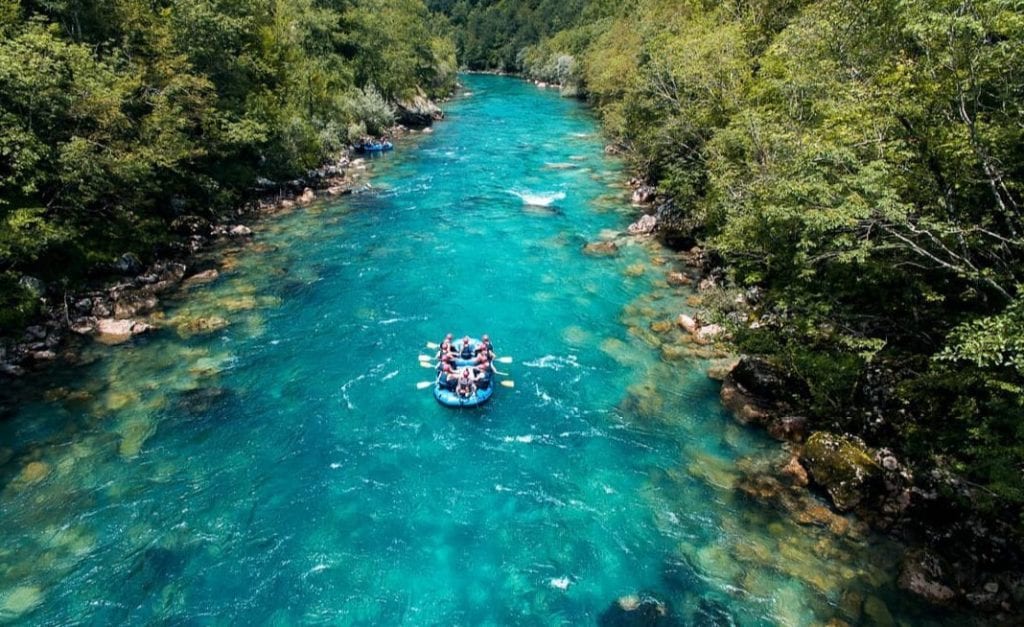
The wild, most beautiful, clearest mountain river in Montenegro, called “Tears of Europe”, springs below Komovi (1,250m above sea level) and flows through the canyon 144 km to Šćepan Polje (433m above sea level) with the river Piva makes the Drina, one of the longest and richest in water river of Southeast Europe. The canyon of the river Tara is up to 1,330 m deep, which makes it the deepest canyon in Europe and after Colorado in the world. For the most part, it is located in the Durmitor National Park, which was built on September 4, 1980. listed as a UNESCO World Heritage Site, meeting as many as three conditions: geological, hydrological and biological phenomena. Tara is also the last unpolluted river in Europe, so you can drink it freely while descending its rapids! Anyone who dares to spend several days with the river will remember for a lifetime the birth of a morning in a canyon or a night when the only bright, narrow stripes of the starry sky and swarms of fireflies.
The most attractive part of the canyon, about 100 km long (from Šljivansko to Šćepan Polje), abounds in rapids (over 50) wild tributaries, sparkling waterfalls, lush and diverse forests whose trees are several hundred years old and the sky is up to 50 m high.
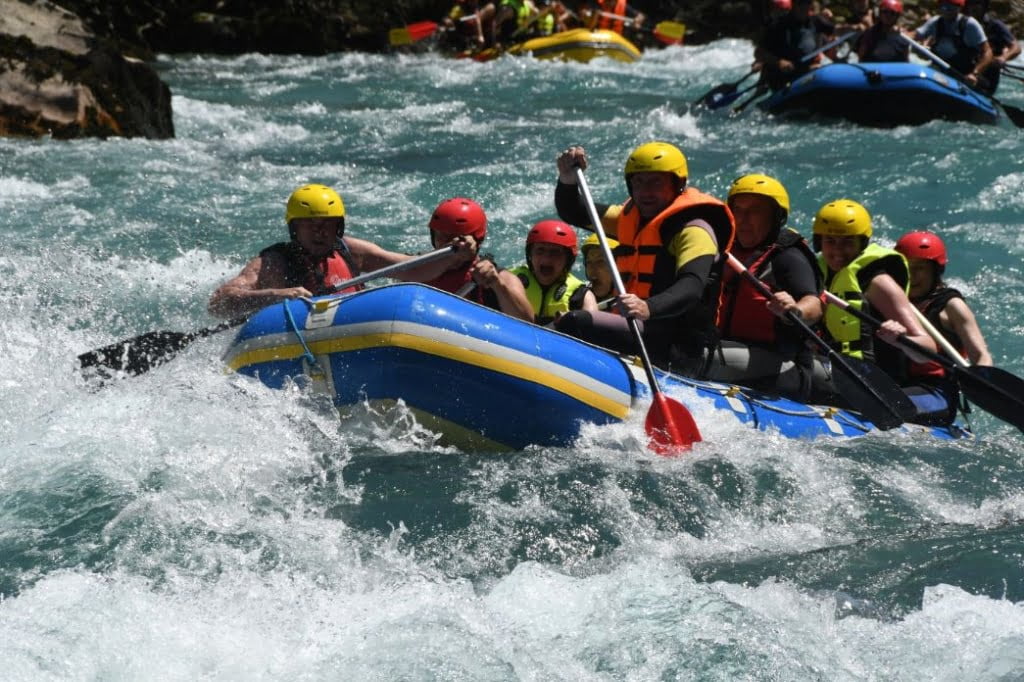
The rafting season on Tara starts in mid-April and lasts until October. The degree of weight of water increases at the beginning of the year, reaches its maximum usually at the beginning of May, when it is also the highest water level, and then decreases in proportion to the water level by the end of summer. With a professional guide, there is no reason to be scared, and the adrenaline you will experience and the beauty you will see is amazing!
The most frequently asked question is WHEN IS TARA THE MOST BEAUTIFUL FOR RAFTING? The answer to this question is ALWAYS! Most adrenaline is in May and the first half of June, but with the water level falling in July, August and September, some disappear, but new beeches and attractive rapids appear that are not noticed while the water is high, so Tara always offers something new, so we often say that we can never cross the same river twice.
7. STEĆCI - GREEK CEMETERY
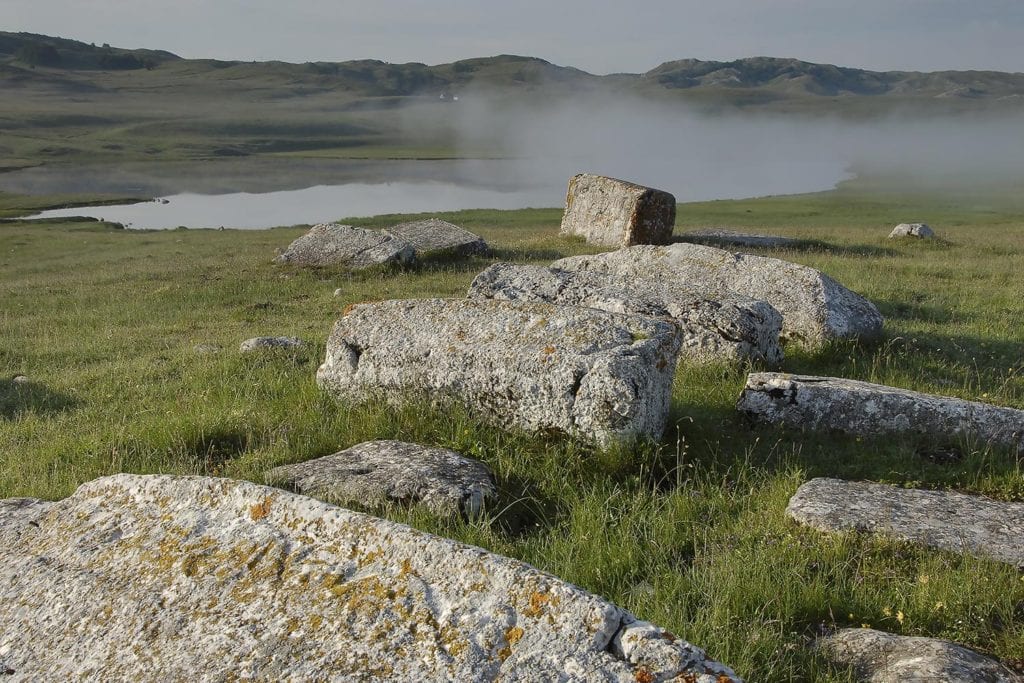
Although for centuries they look like other people’s, “Greek graves”, stećak tombstones – as a cultural heritage of the people from this area are inscribed on the UNESCO World Heritage List. While the locals do not show much interest in “meeting” them, foreign tourists rush to them to learn about the mystique of this special stone and the story they hide “
The site of the Greek Cemetery is located at 1,431 meters above sea level and 11.4 km, southeast of Zabljak, in the hamlet of Novakovici – on the same village road that leads to the necropolis of Bare Zugic, with the Greek Cemetery 2.3 km closer to Zabljak. The necropolis is located on the left side of the road, 200 meters, northwest, from the road and the shore of Fish Lake. It is formed on a slight grassy hill, elongated ellipsoidal in shape, which extends in a north-south direction. It is a smaller necropolis, consisting of 49 stećak tombstones, of which: are 10 slabs, 27 chests, and 12 gables. The central part of the necropolis is visible from the lower elevations of the surrounding terrain because there is a stećak, gabled, of monumental dimensions. Apart from five specimens of the slab type which are of amorphous and natural shape, the remaining stećak tombstones are of fine workmanship and shape. 22 specimens were decorated, as follows: 12 chests and 10 gables. The stećak tombstones are made of local whitish-gray limestone, of various sizes, quality of workmanship, and state of preservation. Decorations include carved and embossed decorative, symbolic, and figural motifs and representations on stećak tombstones, chests, and slabs higher than 30 cm. The most numerous decorative motifs are stripes with oblique lines as a frieze or frame on the vertical sides of the stećak or as a border on the upper horizontal surface of the chest and slabs. The architectural decorative elements of the arcades are the most visually striking.
There are decorations made of parallel lines, such as a lattice decoration in the central part on the horizontal sides of the stećak.
Of the figural representations, one representation of a stylized man with a sword and shield stands out, and one scene from a hunt.
Based on the above, the exceptional location where the necropolis Greek Cemetery near Fish Lake is located, and the workmanship and decoration, it is assumed that members of the feudal lords from those areas were buried in the necropolis near Fish Lake, as well as their families in the XIV and first half of the XV century.
The Greek cemetery necropolis near Riblje Lake is in relatively good condition, but various minor damage is evident in most of the stećak tombstones. As the necropolis is located on a natural elevation, it is significantly more exposed to extreme atmospheric influences, which are the cause of the partial dislocation and sinking of most of the necropolis stećak tombstones. The surfaces of all stećak tombstones are covered with lichen and moss, which makes it impossible to inspect the overall condition of each individual stećak tombstone. But anyway, something you really have to see.
8. CANYON NEVIDIO

Nevidio Canyon is a part of Mala Komarnica, a river that springs at the foot of the southern part of Durmitor, more precisely in Dobro Dol. The sinking passages between Boljske grede (2091 m above sea level) and Lojanik (2091 m above sea level) only to reappear in the gentle river valley as a permanent river. The surroundings of the entrance are one of the most beautiful in the Durmitor area. The beauty of this area is the village of Pošćenje with two glacial lakes, the periodic Skakavica waterfall, which scatters the water of Grabovica, which flows into Komarnica, from a seventy-meter high rock.
At the very end of the valley at an altitude of 935 m begins the canyon Nevidio or Neviđbog as it is called by the inhabitants of this area.
It rightly bears this name because Komarnica suddenly gets lost in a strangely carved entrance and becomes invisible to the human eye.
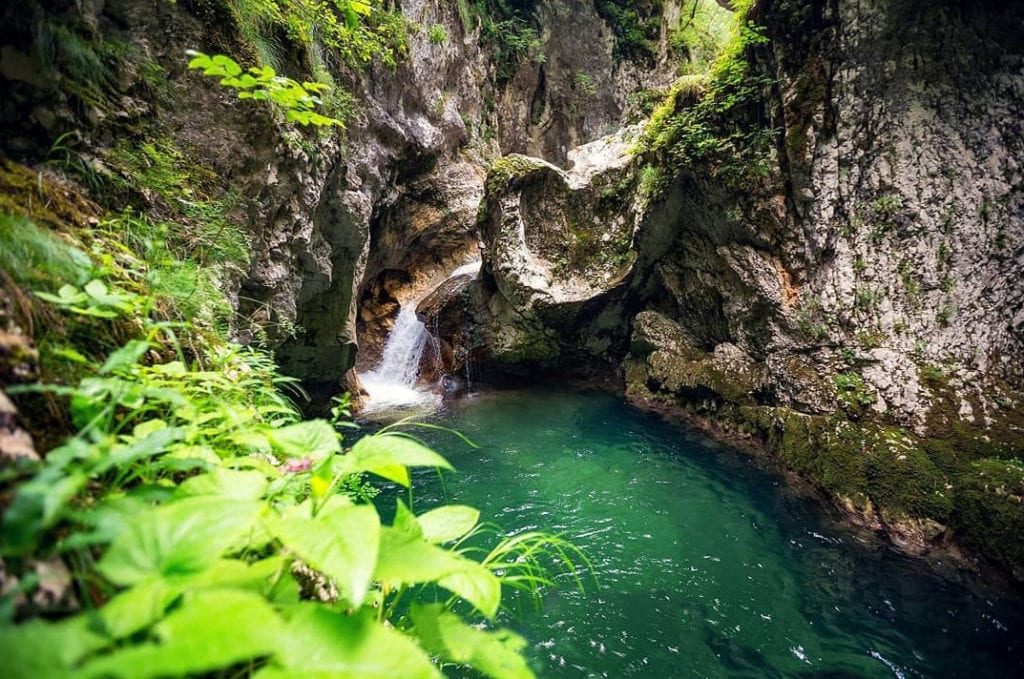
Thrown and hidden in inaccessible terrain, it aroused attention and curiosity, but there were few organized attempts to get to know and explore it. The first serious but unsuccessful attempts were made are 1957 and 1964. Strange and fantastic stories about the last unconquered canyon of Europe followed. Until August 1965. when members of the P.S.D. “Javorak” from Nikšić, and if with scarce equipment, they passed through the canyon and were the first to present to the world the long-hidden, wild and stunning beauty.
Today, Nevidio Canyon finds its place in brochures as a unique tourist attraction. The unrepeatable beauty of the straits, cascades and sparkling beeches guarded by the Nevidio canyon is reason enough to visit this incredible jewel of Montenegro. However, although it does not require special physical readiness, passing through the canyon is not recommended without a guide and adequate equipment.
The first contact with the Nevidio canyon overshadows the indescribable beauty, unusual and strange, a beauty to which man is not accustomed. Most of the canyon is in eternal shadow. Due to the vertical rocks, the sun’s rays cannot reach the bottom. Steep and inaccessible rocks are ruled by harsh conditions for vegetation, so the canyon can be said to be a gem of raw nature that enchants.
Although most of the published brochures state that the length of the canyon is 3000 m, the actual length of the canyon is 1700 m. The height difference is 125 m (entrance 935 m above sea level, exit 810 m above sea level).
The slogan of “Nevidio Canyoning” – “It’s really real” has fully justified its message. Most tourists characterized the passage through the canyon as one of the most beautiful and important events in their lives.
Nevidio Canyon is located in the municipality of Savnik in Montenegro.
Nevidio Canyon is an integral part of the tourist offer of Zabljak and Montenegro.
9. SAVIN KUK (2313 m)
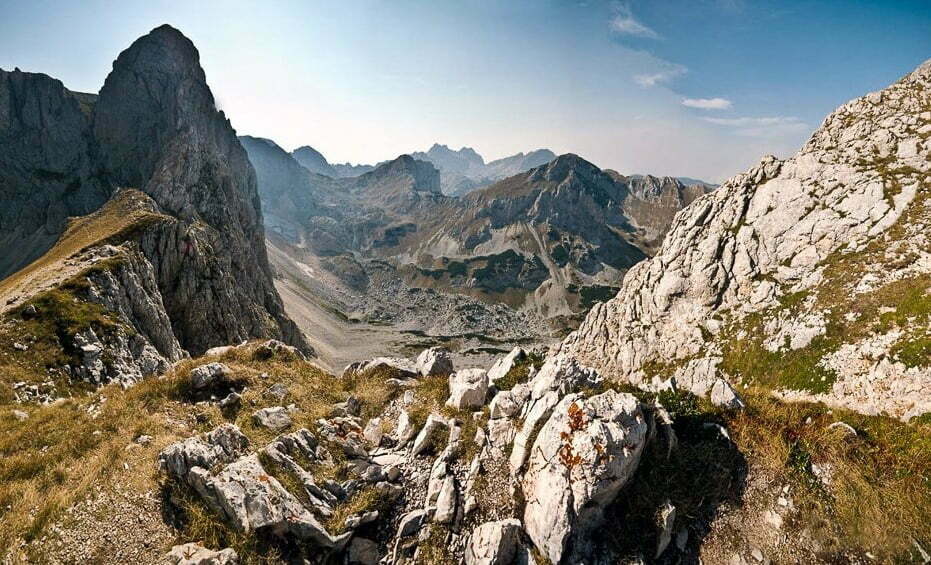
Savin Kuk (2313 m) is one of the most beautiful, most recognizable and most photographed, and of course the most visited peaks of Durmitor. Savin Kuk is part of an unsurpassed panorama over Black Lake (1416 m). Durmitor is recognizable by this panorama. Savin Kuk is one of the most visited peaks because the cable car stops only a hundred meters below the peak, near Savina Voda. The cable car is part of the Durmitor Ski Center. The peak was named Savin Kuk after Rastko Nemanjić. His spiritual name was Sava, and he was proclaimed a saint (Saint Sava). He often visited Durmitor and Savin Kuk. They say it was his favorite top. According to the legend, the source of Savina Voda (2212 m) was created thanks to the miracle of Saint Sava, who painted a cross on the ground with a stick and the water appeared. Every year, on Ilindan – August 2, people climb to the spring in the hope that the water will bring them happiness, health and peace. The water is put in a bottle and stored until next year. This water is used as a kind of protection against bad influences. Along with Medjed, this is the most famous peak for visitors to Durmitor. The path to the very top was made at the beginning of the twentieth century for the exit of the Montenegrin King Nikola the First. In addition, this peak is attractive because of the legend of Sava’s water, which is claimed to be healing. Less than five kilometers from the center of Zabljak, there is a ski center Savin kuk, on the slopes of the mountain peak of the same name. The highest elevation is at 2,010 m / nv and the height difference is 700 m. The average snow cover is 120 days a year.
At the very top there is a beautiful panoramic view that will definitely leave you breathless!
10. DURMITOR RING
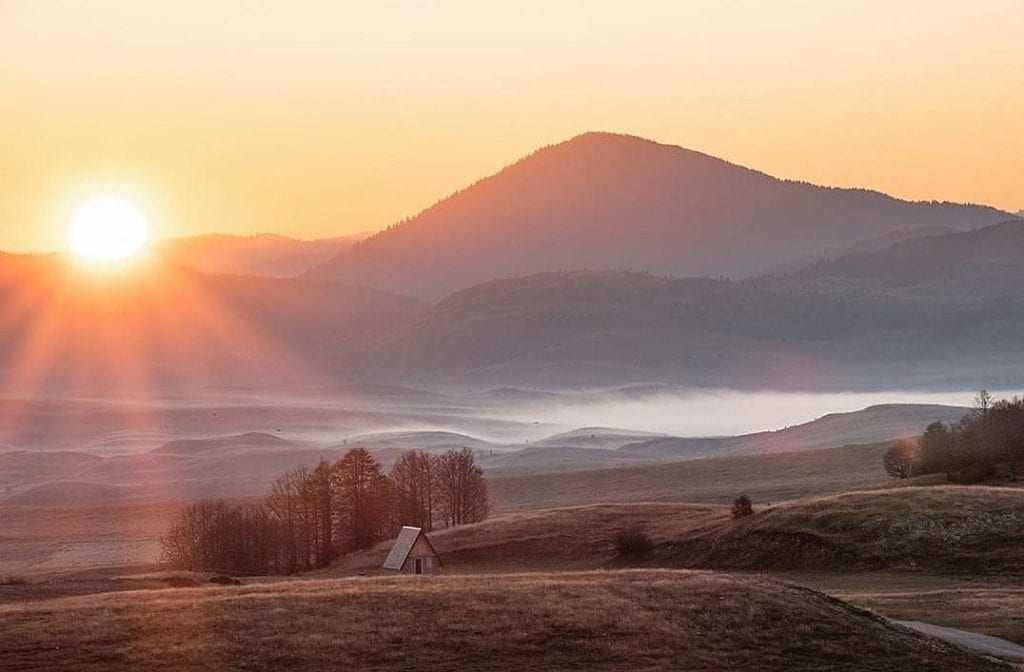
Something we have left for the end, in our opinion, is something that rarely anyone has in their offer.
Since it’s a ring, wherever you go, you will return to the starting point.
The ring around Durmitor is an 85 km long ring road around Durmitor.
The path takes you through villages where you can meet local people, try and buy their local products and learn more about their way of life in this harsh environment.
This is a tour that does not require any physical activity, for all those who would like an easy one-day escape to nature.
The Durmitor Ring is the easiest way to see a lot of the diversity of the Durmitor National Park, without any physical effort.
This includes all types of landscapes, such as deep canyons,
peaks, pastures, rivers, streams, forests, etc.
The ring around Durmitor is a circular road around the mountain Durmitor, 85 km long over the plateau of Tara and Piva. It passes along the peaks that rise to a height of over 2,000 meters, over high mountain passes (Sedlo, Štuoc) and crosses the Sušica canyon. This magnificent path will surprise you again and again, with its beautiful views, untouched nature and authentic villages, where the way of life has been almost unchanged for hundreds of years. Riding the ring around Durmitor is an unforgettable experience for all nature lovers.
As we said, this route is most often crossed by car, but sports fans often dare to cross it by bicycle.
ROUTE:
- Momcilov grad – the first stop is the top of the former ski resort. Great view of the town of Zabljak and Durmitor.
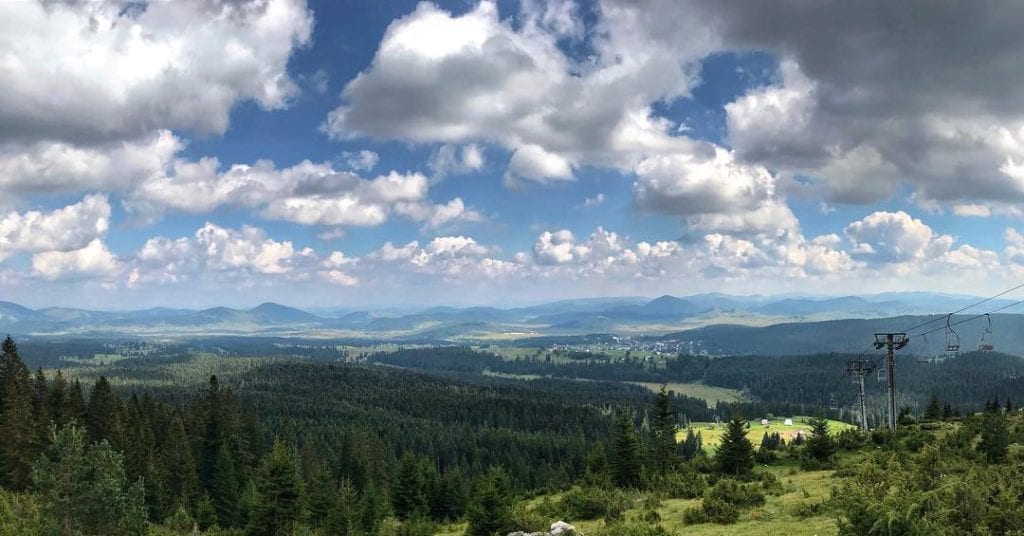
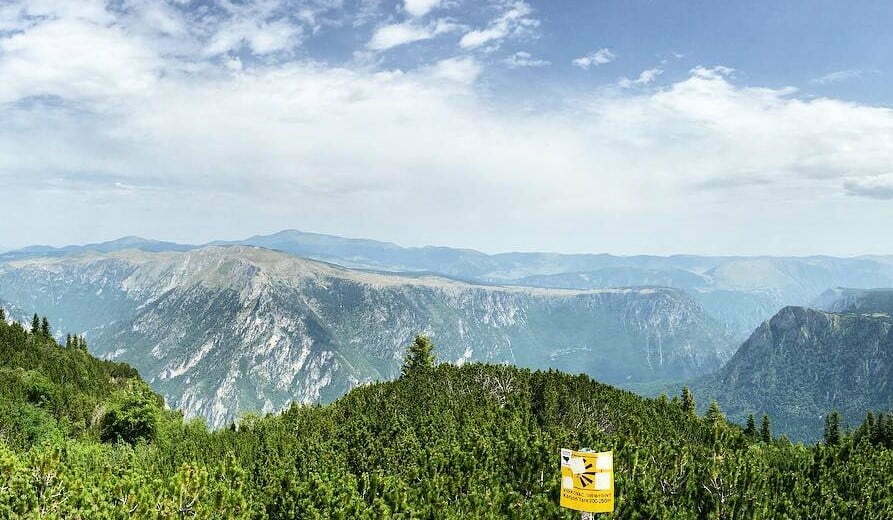
- Veliki Štuoc – the first pass and the highest point on the trip – a great view of the Tara canyon, the deepest canyon in Europe and the second deepest in the world. Also, Veliki Štuoc is the place where the Tara canyon is the deepest (about 1300 m).
- Mala Crna Gora – a remote Durmitor village, located on the edge of the Sušica canyon. Despite being unavailable during the winter, Little Montenegro is inhabited throughout the year. Residents must prepare everything they need for the winter by the end of October, because the road is impassable from November to May.

- Sušica – in the western part of the Durmitor mountain lies the canyon of the river Sušica, a river that mostly flows underground. At the bottom of the canyon there is a unique phenomenon – the beautiful lake Susica which has a periodic character. At a time when snow is melting from the surrounding mountains, the lake fills with water and later dries up and turns into an amazing picturesque valley.

- Nedajno – a village on the edge of the Sushica canyon, on the Piva side of the mountain. To reach it, you climb along the slopes of the canyon, through a beautiful old forest.

- Trsa – another beautiful village where you can take a little vacation.
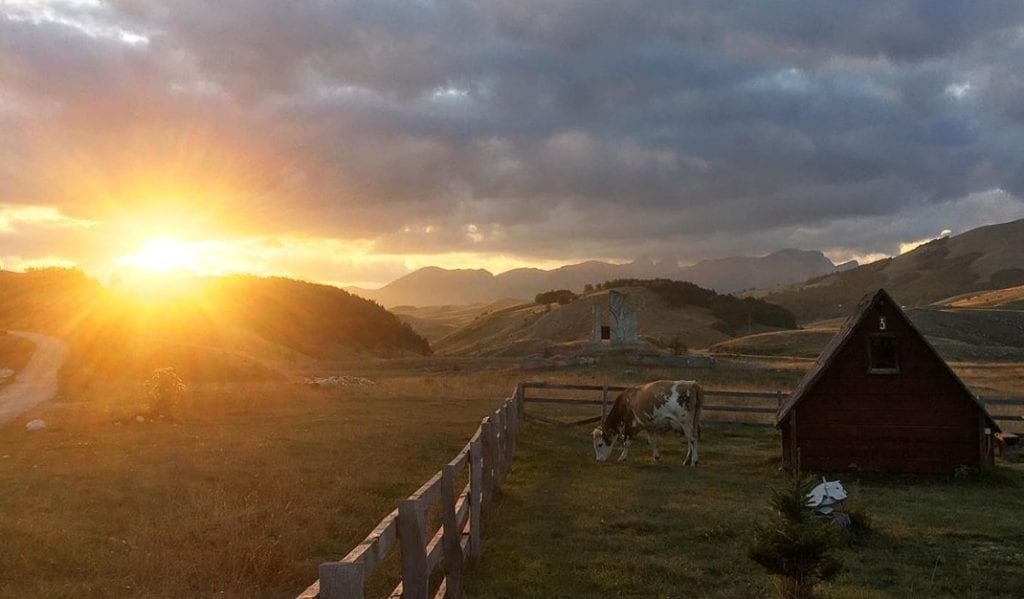
- Prutaš (2400 m asl) – one of the most interesting peaks in this area due to its unique vertical rocky plates.

- Sedlo (1907 m above sea level) – the second mountain pass, the border of two large Durmitor valleys (Dobri Do and Lomni Do).

And return to Žabljak. Of course, you can rotate the route if it suits you better.
ACCOMMODATION ON ZABLJAK
Choosing quality accommodation in Žabljak is key to experiencing Durmitor at its best.
Our apartments combine convenience and tranquility—situated close to the town center while offering a peaceful retreat from urban noise.
View detailed information about our Žabljak apartments, including rates, features, and availability.
Your satisfaction is our priority. Read what previous visitors have shared about their experiences in our Google reviews.
ECO TOURISM NEAR ŽABLJAK
For all hedonists who wish to enjoy peace and breathtaking views, while still being close to Žabljak, Bijelić Village is the perfect choice. Nestled in the idyllic village of Bare, just half an hour from Žabljak, it offers comfortable accommodation for up to six people in the heart of pristine nature.
For more details, check HERE.